Current condition
For each challenge, record the sample and bottle surface, approved message, active job, observed mark and inspection result. Retain the accept, reject or hold outcome and the agreed evidence associating it with the affected bottle.
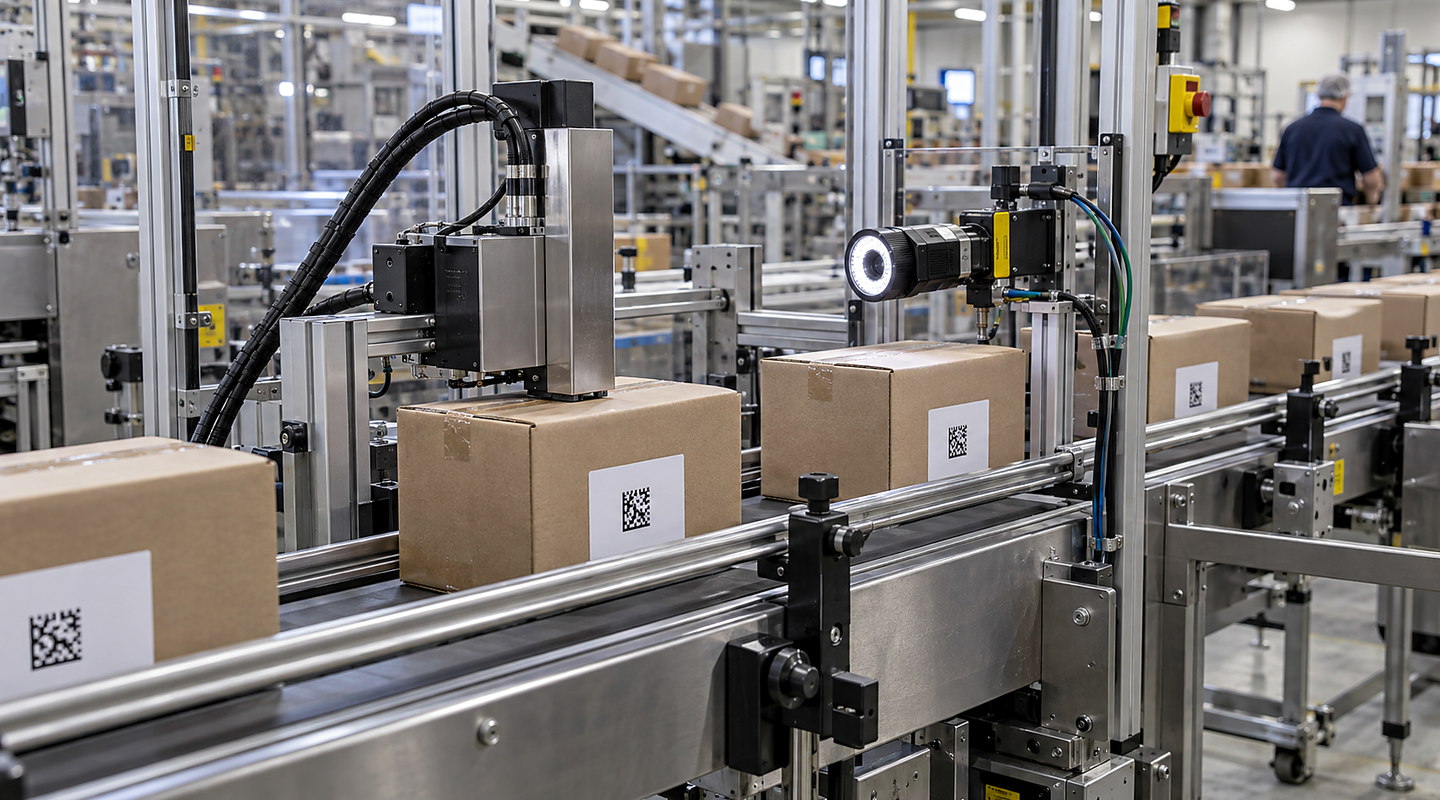
Agree bottle coding checks for the approved message, readable mark, usable position, correct bottle association and confirmed exception handling.
General industrial marking and labelling. Bottle laser coding must be assessed using the actual bottle material, required mark and production conditions.
Agree separate checks for code readability, position and encoded value, then follow each result to the correct bottle and its final accept, reject or hold decision. A readable code alone does not establish that the message is correct.
Challenge an absent mark, unreadable mark, wrong message and job change with representative bottles. Use the complete trigger-to-disposition sequence to include bottles between stations during a pause or batch change.
Plan bottle laser coding around your identifiers, substrates, production events, system interfaces, exceptions and verification records. Discuss a practical data-flow approach with Oxford Traceability. Use this guide to resolve verification, retention and reconciliation evidence before it limits the final system.
Discuss your application

For each challenge, record the sample and bottle surface, approved message, active job, observed mark and inspection result. Retain the accept, reject or hold outcome and the agreed evidence associating it with the affected bottle.
For Bottle Laser Coding, include normal production conditions, credible extremes, product or part variants and changes over time.
Record how each failed result is contained and how production is released again. Repeat the agreed checks after a job change or interrupted run, including the last bottle of the old job and first bottle of the new job.
Use the approved longest message and a deliberately wrong job. Define which source authorises each field and which acknowledgement confirms that the new message is active before production is released.
Use the actual bottle material, colour, finish and intended mark area. Review the substrate trial guidance and retain acceptable and marginal samples for the agreed assessment.
Run representative bottles through the detector, marking window and inspection point. Challenge close spacing, rotation, a pause and restart; distinguish a missed trigger from a misplaced mark.
Trace the job-selection event and the marking/inspection results through the line. Confirm which bottle each result belongs to, including bottles already between stations when a message changes.
Demonstrate the agreed response to absent, unreadable and readable-but-incorrect codes. Follow the affected bottle through the stop, reject or hold decision and check how rework and duplicate handling are controlled.
Reconcile the challenged bottle, active message, observed result and final disposition. Retain the agreed records and identify who approves the trial, material response, protective measures and recovery procedure.